Best Finishes for Wood
The best finishes for wood are the ones that fit your situation!
For example, the best finishes for wood are not necessarily the the best outdoor finish for wood.
The information below will help you to decide which way to go!
Woodworking plans are great, especially when you see the finished product, but the truth is this: the finish is what people see and touch every day.
If you’ve ever built something you were proud of—then felt disappointed the moment you wiped on the topcoat—this guide is for you. Let’s look at what finshes you should use in cdertain situations.
When folks search “types of finishes for wood,” they’re usually trying to solve one of four problems: (1) protection from water and wear, (2) the look (color, clarity, sheen), (3) how easy it is to apply and repair, and (4) how the finish behaves on different species (pine vs oak vs walnut, etc.). The best finish is the one that matches your project’s use, not the one with the most expensive label.
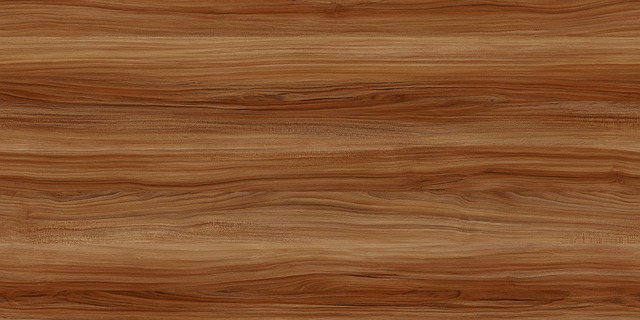
The right finish can further enhance beautiful woodgrain like this.
Our woodworking plans have information on giving your hand built items that high quality look with tips on creating professional looking finishes.
Pure Oil Finishes Penetrate Deeper
Here’s a quick intro: finishes are either *penetrating* (they soak in—oils) or *film-building* (they form a protective layer on top—polyurethane, lacquer, varnish). Penetrating finishes look natural and are easy to refresh, but they’re usually less protective. Film finishes are tougher and more water-resistant, but they can show scratches and require more prep to look flawless.
The environment matters more than most beginners think. A jewelry box in a bedroom can be finished very differently than a kitchen table, a bathroom vanity, or a bench living outdoors. Heat, standing water, UV sunlight, abrasion, and household chemicals all push you toward different choices.
Let’s also separate “durability” into what it really means: hardness (resisting dents), abrasion resistance (resisting scuffs), water resistance (rings and spills), chemical resistance (cleaners/alcohol), and UV resistance (sun fade). Your job is choosing the trade-offs you can live with.
Water Based Finishes Don't Yellow
Like Oil Based Finishes
Oil-based polyurethane is the classic “tough and forgiving” finish for heavy-use surfaces. It builds a durable film, has strong water resistance, and levels nicely. The trade-off: it ambers (turns yellow/orange) over time, and it dries slower, so more prone to dust collection if you don't have a fairly dust free environment.
Water-based polyurethane (and waterborne acrylic/urethane blends) is the go-to when you want clarity and a fast turnaround.
It stays much clearer than oil-based finishes, so maple, birch, and light stains don’t get as yellow. It usually dries fast, smells less, and cleans up with water—but fast dry time means you have to work efficiently to avoid lap marks.
If you want a simple answer to “best finish for wood furniture,” it often comes down to this: for most indoor furniture that gets touched and used, a good polyurethane (oil or water-based depending on your color goals) is the practical winner. If you want the warm “classic” look, go oil-based; if you want the wood to stay lighter and clearer, go water-based.
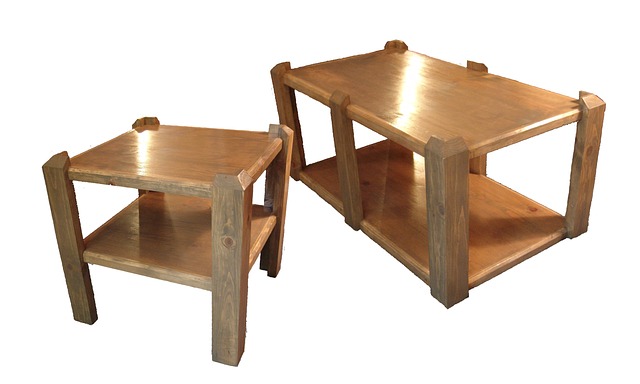
A high quaity finish like this will attract immediate attention.
It's not hard to do with the right techniques.
The best finishes for wood are some of the information in the woodworking plans library that have over 16,000 detailed plans with plans for beginners and experienced woodworkers.
Wiping Varnish is Good for Beginners
Wiping varnish is basically varnish (often polyurethane/alkyd varnish) thinned so you can wipe it on. This is an awesome bridge between “easy for beginners” and “still very durable.” You apply more coats, but each coat is low-stress—great for curved parts, chairs, and anyone who hates brush marks.
Traditional varnish (often spar/marine varnish, alkyd, or phenolic varnish) is known for flexibility and outdoor-ish resilience. Spar varnish is designed to move with wood as humidity changes—handy outside. Indoors, it can be slightly softer than furniture-grade poly, so it’s not always the best for tabletops that take daily abuse.
Lacquer (like nitrocellulose lacquer) is the “sprays beautifully, looks incredible” finish you see in many shops. It dries fast and can be rubbed out to a stunning feel. The catch is it’s more solvent-heavy and typically needs spray equipment and good ventilation; it’s also not the top pick for standing water or harsh chemicals.
Shellac is a secret weapon—especially as a sealer and for problem-solving. It sticks to almost anything, dries fast, and can add a beautiful glow. It’s not the best for wet areas (water and alcohol can damage it), but as a barrier coat (for odors, stains, pitchy knots, or compatibility issues) it’s incredibly useful.
Pure Oils Are Great
For Enhancing Woodgrain
Penetrating oils (like tung oil and boiled linseed oil) give that great woodgrai look and are easy to apply. They can make grain pop like crazy, especially on walnut and cherry. But for water and abrasion resistance, oils alone usually aren’t enough for tabletops, bathrooms, or kitchens unless you’re okay with regular maintenance.
Using oils first, then choosing and applying the protective finish of your choice is my favorite method for a beautiful and durable finish.
Hardwax oils are popular because they combine oil penetration with a waxy, repairable surface. They feel amazing and are easier to spot-repair than most film finishes. They’re great for a natural look on furniture and interior woodwork, but water and constant scrubbing will still test them.
Wax by itself is mostly a “feel and sheen” product, not serious protection. It can be a nice final touch over certain cured finishes, but it can also complicate future refinishing. If you use wax, do it intentionally—usually for low-wear pieces where the silky feel matters more than maximum durability.
Now, matching finishes to different wood species. Open-grain woods like oak and ash have pores that can telegraph texture through glossy finishes. If you want that glass-smooth look, you’ll need grain filling (or many coats and sanding) before your final topcoats. If you like the natural texture, skip filling and choose a satin sheen that flatters it.
Avoiding Blotching
Softwoods like pine and fir can blotch when stained because they absorb unevenly. The fix is simple: use a wood conditioner or a washcoat (often diluted shellac) before staining, or choose a gel stain which sits more on the surface. And if there are knots, consider sealing them with shellac to prevent resin bleed.
Maple, birch, and cherry can also blotch—especially with pigment stains. If you want even color, think about dye stains (more transparent, more uniform) or a controlled washcoat before staining. For keeping maple looking “fresh,” water-based topcoats are often chosen because they don’t amber as much.
Walnut is forgiving and gorgeous; it often looks best with simple finishing—oil for depth, then a protective film if it’s a high-use surface. Cherry darkens naturally with light exposure, so if you’re trying to “freeze” its color, you’re fighting nature. You can slow color shift with UV-inhibiting topcoats, but most cherry will still change over time.
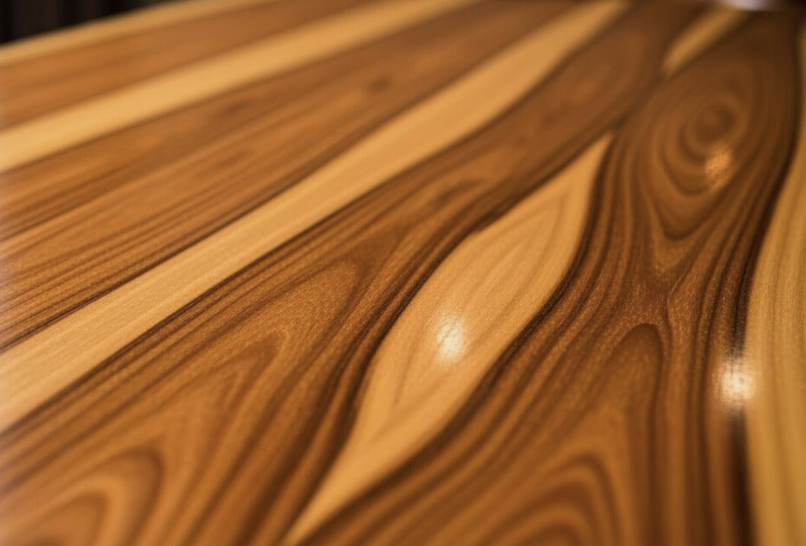
Here's a wood finish that almost pops off the page.
A beautiful wood grain is even more beautiful with the right finish.
Over 16,000 woodworking plans with information on tools, materials and wood finishes for your creations and a 60 day money back guarantee!
Best Finishes for Wood in Wet Areas
For wet conditions—like bathrooms, kitchens, and anywhere cups sweat. You want a finish with strong water resistance and good film integrity: polyurethane and quality varnishes are the typical picks. Multiple thin coats with full cure time matter more than buying the “perfect” can of finish.
For outdoor projects, the goal isn’t just water resistance—it’s UV resistance and flexibility. The “best outdoor wood finish” is usually either a purpose-made exterior oil (easy maintenance, more frequent recoat) or a true exterior varnish/paint system (more protection, more prep, more noticeable failure when it eventually breaks down). Outdoors, you’re signing up for maintenance no matter what—your choice is whether you want it to be easy and frequent, or less frequent but more work.
A key decision outdoors is: clear vs opaque. Clear finishes outside look great at first, but UV is relentless and can break them down faster, leading to peeling if neglected. Paint or solid-color stains protect wood best outdoors because they block UV—so if maximum longevity beats showing grain, opaque wins.
Color and clarity goals change everything. If you love the pale look of maple or want a “raw wood” vibe, use waterborne finishes and consider products marketed as non-ambering. If you want warmth and depth—especially on walnut, cherry, and oak—oil-based varnishes or an oil-under-coat approach can be beautiful (as long as you respect drying and compatibility).
Also, if you want the best finishes for wood that also draw out the wood grain and you are not using a precoat of some type of oil, the oil-based finishes make the wood grain more visible than the water-based coatings.
Prep is where high-end results come from. Sand through the grits thoughtfully (most projects finish well around 180–220 grit; going too fine can reduce absorption and make stains tricky). Vacuum dust, wipe with a clean rag, and avoid “mystery contamination” like silicone polishes in your shop area—those cause fisheyes and heartbreak.
Before you commit, test your whole schedule on scrap from the same board: your sanding grit, your stain/dye, your sealer, and your topcoat. That’s how you avoid surprises like blotching, weird color shifts, or a finish that looks plastic. This is also how advanced woodworkers get consistent results across different “types of finishes for wood” without guessing.
Application tips: use thin coats, keep a wet edge, and don’t overbrush as it starts to tack. For water-based products, work fast and consider a synthetic bristle brush or a good applicator pad; for oil-based, a natural bristle brush or wiping works well. Sand lightly between coats when the product recommends it (often with fine grit or a gray abrasive pad) to knock down dust nibs and improve adhesion.
UV Cured - One of The Best Finishes for Wood for Durability
UV-cured wood finishes are highly praised for their extreme durability, instant 2-to-3-minute cure time, and low odor.
They are ideal for high-traffic areas and quick, professional-grade results without waiting for days for solvent evaporation. However, they require significant upfront investment in specialized UV lighting equipment ($650–$1800) and can be expensive per quart.
So, now you can see that just asking what are the best finishes for wood isn't a qustion with a simple one-answer solution. A little research will help you make the best decisions.
Here's a quick wood finishing tip for you.
Some finishes recommend not using a roller to apply because of air bubbles forming but it can work great if you do it right.
Just move the roller slow enough that bubbles won't form (very slowly) and with a glossy finish it's great for making the surface less slippery due to a slightly textured look.