Marketing Plans for Small Business Success
Marketing plans for small business can help you maximize profits right off the start. These plans are put together by someone who has done it - no guesswork involved!
And if you’ve ever looked at a simple table, a picture frame, or a clean set of shelves and thought, “I could make that,” you’re already halfway to a home woodworking business. With a good, simple marketing plan you can turn that creative itch into a repeatable system that brings in cash—part time, full time, nights and weekends, whatever fits your life.
The best part is this: woodworking is one of the few “real” businesses you can easily start at home with a relatively low investment, start quickly, and grow at your own pace. You can begin with small items, learn what sells, improve your skills, and gradually move into higher-profit custom work as your confidence and tool collection expand.
You’re not “just building stuff”—you’re building products for specific people with specific problems: they need storage, organization, gifts, décor, a better workspace, a better home, or a one-of-a-kind piece that fits a weird corner. When you think like that, the business becomes much easier to market and price.

Make simple attractive items like this and they are easy to sell with the marketing plans for small business package.
Marketing tips from someone who has been there and done that by marketing their own woodworking home business.
Easy Home Business Plan for Wood Projects That Make Money
We have an easy woodworking business plan that can start you off with small space and simple tools - you can expand as your home business grows.
Space is usually the biggest question: you don’t need a huge shop. A one-car garage, a shed, a basement corner, or even a covered patio can work if you plan it well. What you *do* need is safe electrical access, decent lighting, and a way to manage dust and noise so you can work without making your household miserable.
Set up your work area like a mini production line: a sturdy workbench, clear infeed/outfeed space for cutting, a dedicated assembly area, and a finishing corner where dust is controlled as much as possible.
If you can keep your workflow from constantly moving piles around, you’ll finish faster—and finishing faster is how to *earn money working from home* without it taking over your entire life.
Tools are where people overspend, so let me save you some money. You can start with a basic “make-and-sell” kit: a circular saw or table saw (one or the other at first), a drill/driver, a random-orbit sander, a jigsaw, some clamps, measuring/marking tools, and a shop vacuum with a dust separator. Add hearing and eye protection too. Don’t cut corners on safety!
Grow Your Home Business Quickly, Naturally & Economically
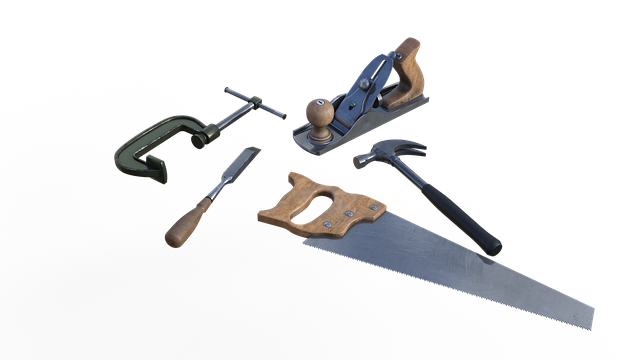
Start with simple tools to make simple items and use the profits to expand your business.
Use your profits to buy more tools and build more complex items.
Make custom pieces for even higher profits.
Increase your profits with the marketing plans for small business and become your own boss!
If you want the “smart upgrade path,” buy tools only when you have a project that pays for them. Example: if you’re getting orders for signs and small décor, a miter saw can help a lot; if you’re getting cabinet or built-in requests, you may justify a track saw, router, and better dust collection. Let sales guide your tool list, not tool envy.
Materials are your next lever. Big-box store lumber is convenient, but you’ll also want to learn local hardwood dealers, sawmills, reclaimed wood sources, and even pallet wood (carefully) depending on what you make. Keep receipts and track material cost per project—this is a simple habit that makes pricing and bookkeeping way easier later.
Now to the fun part: what should you build first? Start with “repeatable winners”—simple, popular items you can make consistently. Think: floating shelves, cutting boards, plant stands, storage crates, simple benches, coat racks, small entryway tables, and clean wall organizers. These are classic *wood projects that make money* because people buy them as gifts and home upgrades again and again.
Avoid starting with complicated custom furniture right out of the gate unless you already have experience. Custom work is profitable, but it adds design time, client communication, revisions, and high expectations. A smarter path is to build a small catalog of best-sellers, then gradually accept custom upgrades: different size, different stain, different hardware, matching sets.
Most Beginners Set Prices Too Low

Most beginners set their profit margins too low.
Don't make this mistake.
Well crafted handmade items can bring premium prices.
Pricing is where most new makers accidentally donate their labor. A solid starting formula is: materials + consumables (sandpaper, glue, finish) + labor (your hourly rate) + overhead (tool wear, electricity, shop costs) + profit. If you skip labor or profit, you’ll stay busy and still feel broke.
When you set your hourly rate, don’t compare it to “hobby time.” Compare it to what you need to make this worth doing. Many people start with a realistic target rate and adjust as they get faster and their craftsmanship improves. And remember: customers aren’t paying for wood—they’re paying for design, accuracy, finishing, convenience, and a piece that looks great in their home.
Let’s talk admin in plain language: keep business money separate from personal money from day one. Open a separate checking account if you can. Track every sale and every expense, even if you start with a spreadsheet. Categorize materials, tools, advertising, shipping, and mileage (if applicable). This isn’t busywork—it’s how you know what’s profitable and how you sleep at night during tax season.
A Home Business Needs Good Bookkeeping Too!
For bookkeeping, you can start simple: record income, record expenses, save receipts (digital is fine), and reconcile once a week. If you grow, consider basic accounting software, but don’t let software become procrastination. The goal is clear records so you can see which products make you money and which products quietly drain your time.
On the legal side, rules vary by location, so don’t guess—check your city/county website for home occupation rules, zoning restrictions, and whether you need a business license. In many places you can operate a small home-based business with a basic license, but restrictions sometimes apply to signage, customer foot traffic, noise, and hours.
Insurance is another “unsexy but important” piece. At a minimum, look into general liability insurance, especially if you sell items used in homes (shelves, furniture, kids’ items). If you deliver/install, your risk increases, so coverage matters even more. If you’re unsure, call an insurance broker and explain exactly what you make and how you sell.
Marketing Plans for Small Business Are Simple But Essential for Maximum Profits

A simple item that sells well and sells on sight with little marketing.
People see it and they want it. Many small items sell quickly like that!
A beautiful handmade birdhouse that can be made in minutes.
An example of simple wood projects that make money!
Now we get to sales—because even the nicest piece of walnut doesn’t pay bills if nobody sees it. Start by choosing two or three channels you can realistically keep up with: local Facebook groups, Marketplace, craft fairs, Etsy (if your products fit), and local boutiques on consignment/wholesale. The key is consistency, not being everywhere at once.
This is where *marketing plans for small business* come in. Don’t overcomplicate it: define your ideal buyer (new homeowners, parents, gift buyers, apartment dwellers, small-business owners needing décor), pick your top 5 products, choose your platforms, and set a weekly routine—post photos, answer messages fast, and ask every happy customer for a review and a referral.
A simple content routine does wonders: show one finished product photo, one short “behind the scenes” build step, and one customer story each week. People love seeing progress, and it builds trust.
If you’re serious about growing, build a basic website or landing page with your best items, pricing ranges, turnaround times, and an easy way to request a quote—another practical piece of *marketing plans for small business* that keeps you from chasing people around in messages.
As orders start coming in, protect your time with a clear process: written quotes, a deposit policy for anything custom, and realistic lead times. Use simple work orders so you don’t forget stain color, dimensions, or hardware. And don’t be afraid to say, “I can do that, but it’ll be 3–4 weeks”—customers who value good work will wait.
Moving into custom woodworking is where income can jump, but only if you manage it like a business. Offer “custom within limits”: a few wood species options, a few finish options, and size ranges you can build efficiently. This keeps your work profitable while still giving clients that one-of-a-kind feeling. Done right, it turns your shop into a steady pipeline instead of a chaotic one-off factory.
Simplicity Makes Wood Projects
One of The Best Ideas for
Home Based Businesses
If you’re trying to escape the rat race and want to be creative, this is one of the easiest paths I know. You can start quickly, startup costs are low, and you can sell repeatable items first, then climb into higher-ticket custom pieces as you grow.
Pair solid craftsmanship with clear *marketing plans for small business*, consistent bookkeeping, and basic legal/insurance coverage, and you’ll have a home woodworking business that can genuinely replace a job—or just bring in dependable extra money if that's what you want.
Start building your woodcraft business today and remember - the material comes with a 60 day money back guarantee!