Wood Projects That
Make Money
Easy wood projects that make money, plus tips and guidance to starting your business and selling your handmade items.
If you’ve been daydreaming about a hobby that pays for itself (and can turn into full time income), woodworking is one of the best options out there.
You can start small, work from home, keep overhead low, and build skills as you go. Learn what simple wood projects that make money are super easy for you to build with simple tools.
From super simple builds you can finish in an evening to higher-ticket furniture that can replace a job if you want to run with it.
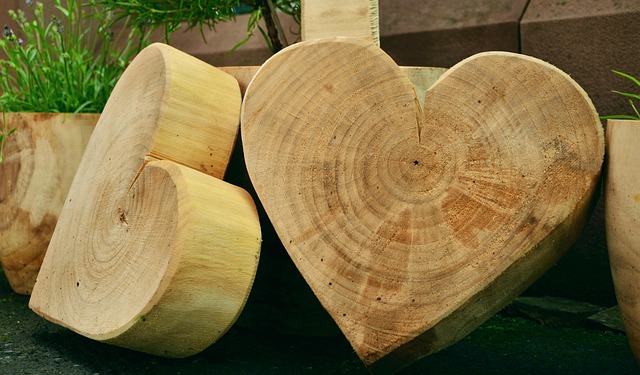
Simple items like this sell very well. Put a nice finish on it or even a personal touch like a name or occasion and it sells like hotcakes!
A great example of simple wood projects that make money.
The big secret is this: you don’t need to be a master craftsperson to for many easy to make items that sell well. You just need projects that solve a problem or look great in photos with a repeatable build process, and a simple system for pricing and selling. Many small items sell due to instant appeal. People see something beautiful and want it for themselves or for a gift.
Most beginners get stuck trying to make “perfect” things but profitable woodworkers make “consistent” things and improve over time.
Here’s a smart way to think about profitable woodworking: focus on (1) small items with fast build times for quick cash flow, (2) medium builds that sell steadily all year, and (3) a few premium pieces that bring in bigger paydays. Mixing these three categories makes your shop feel less risky and keeps you from burning out on one product.
You Only Need Simple Tools
to Start Your Business
To start quickly and cheaply, set up a “minimum viable shop.” You can build and sell plenty with a circular saw (or miter saw), drill/driver, random-orbit sander, tape measure, speed square, clamps, wood glue, and a few hand tools (chisel, utility knife, block plane if you like).
If you already have a garage corner or even a shed, you’re in business—your first goal is not a dream shop; it’s a working shop that produces sellable items in a few days.
Safety matters—especially when you’re trying to work fast at home. Wear eye and hearing protection, control dust (shop vac + good filter at minimum), keep push sticks handy, and don’t freehand cuts that should be guided. Create a clean area for finishing, store oily rags safely (to prevent spontaneous combustion), and keep cords and offcuts off the floor so you’re not tripping while carrying a board.
Examples of Easy Wood Projects That Make Money Over & Over Again
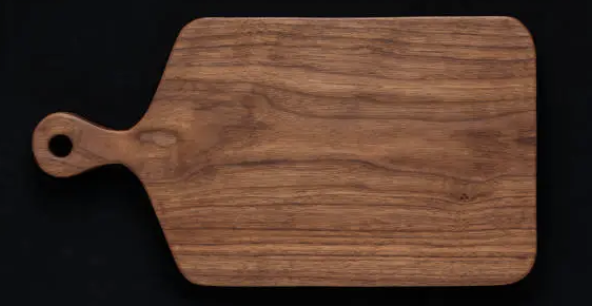
Cutting boards are a good example of simple projects that sell well.
Start with simple designs and then try more intricate designs. The fancier ones bring more profits!

Here is a cutting board with different types of wood used. Still easy to make and higher profits!
Order your plans for wood projects that make money today and start your next project in days.
60 day money back guarantee on our products!
Now for beginner-friendly *money making wood projects* that sell well and don’t require complex joinery: floating shelves, simple picture ledges, serving trays, plant stands, step stools, bath caddies, bookends, key holders, and basic wall coat racks. These are popular because they’re giftable, easy to photograph, and easy to ship (or easy for local pickup).
Let’s get specific: a set of two “rustic modern” floating shelves is one of the fastest wins. Use construction lumber or pine boards, sand them clean, round edges slightly, stain or paint, then apply a durable topcoat. Make the brackets simple (store-bought hidden brackets work fine at first), and sell them as a set with clear mounting instructions. People pay for “ready-to-hang,” not just wood.
Another easy seller is a clean, modern entryway organizer: a small shelf with hooks underneath and maybe a slot for mail. It’s a small amount of material, it fits almost every home, and it’s a problem-solver. Offer it in two or three finishes (natural, walnut stain, painted white/black) so customers can match their decor without custom work.
If you want small items that move well at craft fairs and during holidays, make cutting boards, serving boards, and coasters. Just be careful with food-contact finishes: use food-safe options like mineral oil + beeswax blends for boards, and avoid film finishes that can chip. End-grain boards are premium but take more skill; edge-grain boards are a great starting point and still sell if they look sharp and are sanded properly.
Kids’ items are another steady category: simple name puzzles, toy cars, block sets, small doll beds, and step stools. Parents love personalized items, and personalization raises value—names, initials, and birth dates sell. Make sure edges are smooth, parts are not choking hazards, and finishes are appropriate for toys (non-toxic, fully cured). When in doubt, keep designs simple and sturdy.
Outdoor projects can bring in great money because people want durable things and will pay for them: planter boxes, porch signs, outdoor benches, small patio tables, and potting benches. Use exterior-rated screws, weather-resistant glue when needed, and pick the right wood (cedar and redwood are popular; treated lumber works but needs careful finishing choices). Items also photograph beautifully with an outdoor background, which helps to sell them much quicker.
More Experience Means
More Profits for You
Once you’re comfortable, move into mid-level builds that command higher prices: farmhouse coffee tables, entry benches, blanket ladders, small nightstands, and storage cabinets for laundry rooms.
These don’t require a full cabinet shop, but you do need repeatable measurements and consistent finishing. The trick is to build the same model multiple times so your speed improves and your profit per hour rises.
For advanced woodworkers, the highest-margin category is custom or semi-custom furniture: dining tables, built-in shelving, mudroom lockers, desks, and credenzas.
This is where good joinery and clean finishes matter most. If you’re going this route, it helps to create a “signature style” (modern, rustic, Scandinavian, traditional) so your portfolio attracts the right buyers and you’re not reinventing every design.
Finishing is where “home project” becomes “store-quality product.” Sand properly (don’t skip grits), remove dust thoroughly, and test stains on offcuts. Hardwax oils are popular for a natural look, wiping varnishes are forgiving, and water-based poly keeps things lighter in color with low odor. The best finish is the one you can apply consistently—your customers want the piece to look great and hold up to real life.
A simple rule: build for repeatability. Create a cut list, a material list, and a checklist for each product. Label jigs, mark measurements, and store templates (like curves or hole spacing) so every new unit is faster. This is how *wood projects that make money* turn from “random weekend builds” into a real small business.
Pricing trips people up, so let’s make it practical. Start with materials + consumables (sandpaper, screws, finish), then add labor (your hours × an hourly rate), then add overhead (tool wear, electricity, shop supplies), then add profit. If you don’t charge for your time, you’re not running a business—you’re donating. Also remember: pricing slightly higher can actually help you sell because it signals quality.

Another example of an item that is easy to make and sells well.
Make it in minutes with a few simple tools and make money!
Get plans for over 16,000 wood projects for one low price.
Many Beginners Start With
Prices Too Low
Here’s an easy pricing method for beginners: track one build from start to finish and write down the actual hours. Multiply hours by a reasonable rate you’d be happy earning at home, then add materials and a buffer amount for finishing and mistakes.
If the final number seems “too high,” don’t panic—reduce build time with better process, simplify the design, or shift to a product people already buy at that price point.
Where to sell depends on the product. Small shippable items do well on Etsy, eBay, and your own simple website, while larger furniture often sells better locally through Facebook Marketplace, local maker groups, consignment shops, and word-of-mouth.
Craft fairs can be excellent for small goods and for collecting custom orders. The key is to match the selling channel to the size, shipping complexity, and buyer expectations.
Promotion doesn’t have to be complicated—think like a friend showing your work. Take clear photos in natural light, use simple backgrounds, and show scale (a plant, a book, a person’s hand). Post short build clips and finished “reveal” videos on Instagram, TikTok, Pinterest, and Facebook. Keep your message consistent: you build reliable, good-looking pieces from home with care and durability.
Get Your Business Off
To A Running Start
To launch in a few days with low overhead, follow this quick plan: Day 1 pick one simple product and build a prototype; Day 2 refine it and write your cut list and checklist; Day 3 build 2–5 units assembly-line style; Day 4 photograph them and create listings; Day 5 post in local groups and start taking orders. Your goal is traction, reviews, and repeatable production—not perfection on day one.
As orders come in, protect your time with clear policies: lead times, deposit rules for custom work, pickup/delivery fees, and what “custom” actually means (size only, color only, or full redesign). Keep a simple spreadsheet for costs and orders, and reinvest early profits into one tool at a time that saves the most time—usually a miter saw stand, better dust collection, a pocket-hole jig, or eventually a table saw.
If you want more independence and you’d like to *earn extra money from home*, woodworking is a real path—as long as you build what people already buy, price it like a business, and market it with consistent photos and simple stories. Start with fast sellers, level up to mid-tier furniture, and keep a few premium builds as your “profit spikes.” Do that, and you won’t just make things—you’ll build a home-based income stream around *wood projects that make money.*
And for a Complete Home Business Setup Guide - Check this out!

Earn Part Time or Full Time Income With This Wood profits Guide Written by Someone Who Did It!
Start Your Own Home Business in A Few Days with Easy Wood Projects That Make Money.
