The Best Woods for
Furniture Making
Indoor & Outdoor
Choosing the best woods for furniture making is one of the biggest make-or-break decisions in furniture building - you have to balance looks, strength, outdoor exposure, cost, and what your finish preference is.
This guide compares the most common types of woods for furniture - indoor pieces, outdoor pieces, workability, aging, durability, woodgrain appeal and the best finishing strategies.
A quick way to think about wood selection: for indoor furniture, you’re usually optimizing for stability, appearance, joinery strength, and finish quality.
For outdoor furniture, you’re optimizing for rot resistance, moisture resistance, UV weathering behavior, and low-maintenance longevity. The “best” pick depends on the project: a dining table needs different priorities than a patio bench.
Two important concepts that affect every species: **hardness/strength** (how well it resists dents and handles loads) and **movement** (wood expands and contracts across the grain as humidity changes). No wood is immune to movement—good plans and proper joinery account for it. Also, many “outdoor-rated” woods last far longer if you design with drainage, airflow, and no water traps.
In general, **softwoods** (pine, fir, spruce) are usually the most budget-friendly. Domestic hardwoods like red oak, poplar, soft maple, and ash often sit in the middle. Premium domestic hardwoods (hard maple, walnut, cherry, white oak) and many exotics (teak, ipe) tend to be higher cost. Prices also swing by region, thickness, grade, and whether you’re buying rough-sawn or surfaced boards.
Finishing also splits into two worlds: **indoor finishes** (oil/varnish blends, wiping varnish, polyurethane, lacquer, shellac, waterborne finishes) and **outdoor finishes** (penetrating oils, exterior varnishes/spar varnish, and paints).
Outdoors, the harshest enemy is sunlight—UV breaks down many clear finishes, so maintenance is normal. Indoors, you can chase a flawless feel and long-term protection with far less upkeep.
White Pine
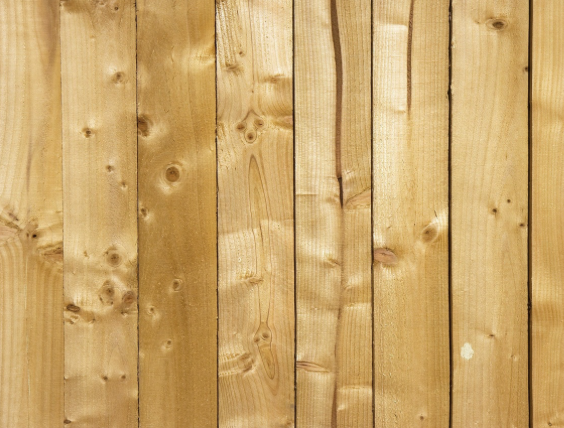
Here is an example of aged pine. It is beautiful after aging but is not one of the best woods for furniture making because it is a very soft wood.
Great for shelves or inside trim though.
**Pine (Eastern white pine and other common pines)** is a go-to for beginners and painted furniture. It’s affordable, easy to cut, and forgiving with hand tools, but it dents easily.
Indoors it’s fine for bookcases, beds, and farmhouse-style pieces; outdoors it’s not naturally rot resistant unless treated or carefully sealed. It tends to yellow/amber over time under clear finishes, which some people love and others don’t, but the amber color really enhances the woodgrain.
Pine workability and finishing tips: it machines easily but can tear out around knots and can blotch badly if stain is not applied evenly. If you want an even stained look, use a conditioner or a washcoat first; otherwise, paint or a clear finish that embraces the natural variation looks great. For projects meant to look clean and consistent, many woodworkers simply paint pine and call it a win.
Pine has nice woodgrain when aged and looks great for indoor wood projects but where strength is needed, such as chairs, it is not the best wood for furniture making.
Spruce
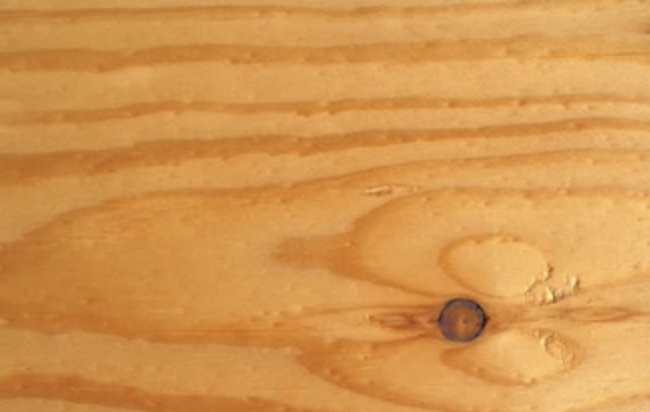
Spruce is another softwood that looks more attractive as it ages.
It can look beautiful with a clear finish.
Used a lot in guitar tops.
Spruce wood is a lightweight, straight-grained, and moderately strong softwood, widely used in construction and for musical instruments due to its high strength-to-weight ratio and acoustic properties. Typically creamy white to light yellow, it has a fine, even texture, dries quickly with little movement, and is easily worked, though it is not durable against rot and requires treatment for outdoor use.
It is lightweight, elastic, and, despite being a softwood, offers excellent structural strength. Sitka spruce, in particular, possesses a very high strength-to-weight ratio.
While not naturally resistant to rot or decay, spruce is easy to saw, plane, glue, and screw. It finishes well, though it can sometimes produce blotchy results when stained due to its closed pore structure; it is recommended to use sealers or gel stains.
Poplar
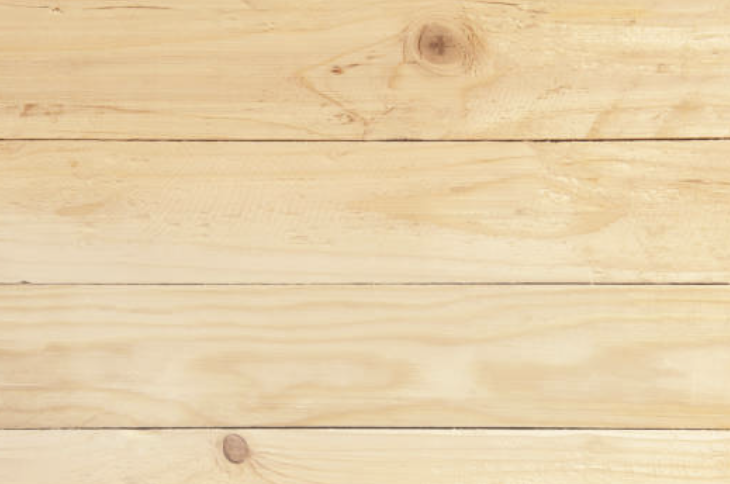
Poplar. A light colored wood that is attractive and inexpensive compared to many other woods.
**Poplar** is one of the best “utility hardwoods” for indoor furniture parts you plan to paint. It’s typically inexpensive for a hardwood, fairly stable, and machines nicely. Durability is moderate—better than pine for dent resistance, but not in the same league as oak or maple. Outdoors, poplar is a poor choice because it has low rot resistance.
Poplar finishing and aging: poplar can show green/purple/mineral streaks that may telegraph through lighter paints unless primed well. It stains unevenly and isn’t chosen for “show wood” looks, but under paint it’s excellent. Over time, unpainted poplar can shift color, and clear finishing often highlights its color variation in a way people either find charming or distracting.
I have seen it used as an interior wall finish and with a clear coat, it is attractive.
Red Oak
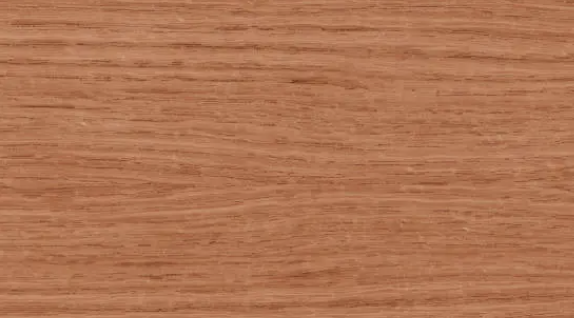
One of the common woods for furniture making.
Attractive reddish color.
**Red oak** is a classic furniture wood that’s widely available, strong, and usually moderately priced among hardwoods. It has prominent grain and takes stain well. Indoors, it’s a workhorse for tables, chairs, and casework. Outdoors, though, red oak is a poor choice because its open pores allow water to wick in, reducing moisture resistance and increasing decay risk.
Red oak workability and finishing: it glues well and machines well, though the open grain can splinter and it benefits from sharp cutters. Its large pores mean you’ll see texture under film finishes unless you use grain filler. It ages with a warmer tone, and stained red oak can look anything from traditional to modern depending on color choice.
White Oak
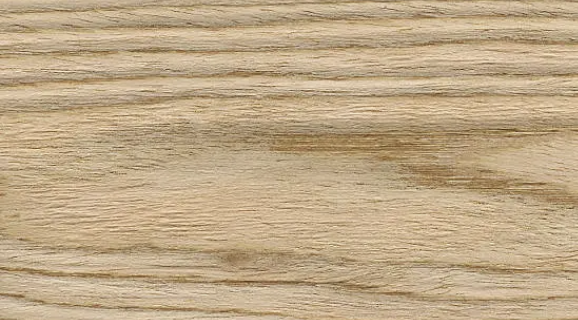
One of the most popular hardwoods.
Attractive grain and high strength.
**White oak** is one of the **best woods for furniture making** when you need strength and better moisture performance. It’s similar to red oak in appearance but typically has better rot and moisture resistance (commonly attributed to its structure and natural extractives), which is why it’s used for things like barrels and boat-adjacent work. Indoors it’s excellent for high-wear surfaces; outdoors it can perform well if detailed and finished appropriately.
White oak workability and aging: it machines well but can burn with dull blades and can be tough on edges due to density. It bends well for curved work. It takes stain and clear finishes nicely, and it can be fumed or finished to emphasize ray fleck in quartersawn boards. It tends to age gracefully, often deepening slightly in tone over time.
Hard Maple (Sugar Maple)
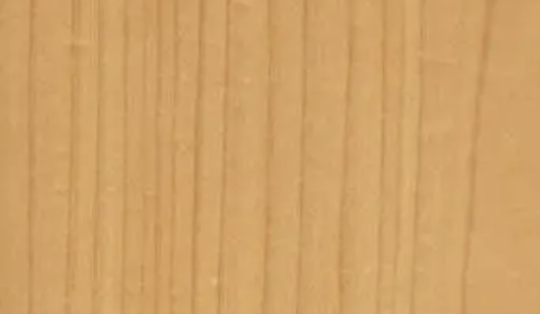
Hard Maple - nice color with clear finishes.
Very hard and great for indoor use.
**Hard maple (sugar maple)** is prized for durability and a clean, modern look. It’s hard, dense, and highly wear resistant—great for tabletops, desks, dressers, and work surfaces. Its rot resistance is not a selling point, so it’s generally an indoor wood. In humid environments, it’s stable when properly dried, but because it’s dense it benefits from careful acclimation before milling.
Maple workability and finishing: it can be more difficult to plane and rout without burn marks, and it can tear out around figured grain. It’s also known for blotching under stain; dye, gel stain, or a sealing schedule helps. Clear finishes look fantastic on maple, especially on curly or birdseye figure—those beautiful woodgrains really can evoke different feelings, and the right finish can make them “pop.”
Soft Maple
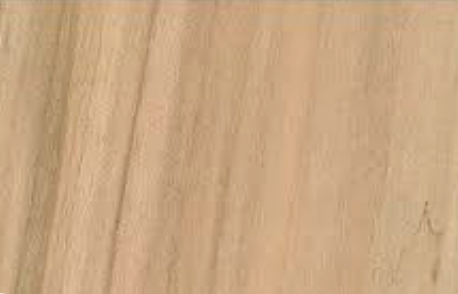
Soft Maple
Attractive light colored grain.
Color tone can change a little with time.
**Soft maple** is a practical alternative to hard maple. It’s generally easier to machine, a bit less dent-resistant, and often more budget friendly. Indoors it’s great for painted or clear-finished furniture and built-ins. Like hard maple, it’s not naturally rot resistant, so it’s not ideal outdoors.
Soft maple aging and finishing: it tends to finish more easily than hard maple but can still blotch with certain stains. It’s a good candidate for waterborne clears if you want a lighter, less amber look. Over time it can mellow slightly, but it usually stays relatively light compared to woods like cherry.
Cherry
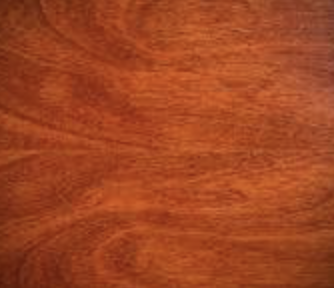
Cherry - a beautiful reddish color that darkens with time.
One of the favourites for home furniture.
**Cherry** is a favorite for fine indoor furniture because it’s stable, pleasant to work, and ages beautifully. Fresh cherry can look lighter and pinkish, then darkens toward a rich reddish-brown with light exposure. It’s not an outdoor wood in most cases due to moderate rot resistance at best.
Cherry workability and finishing: it machines like a dream and hand tools feel great on it. The big finishing “gotcha” is blotching with pigment stains—many builders skip stain and use clear finishes (or dyes) to let cherry’s natural aging do the work. Oil/varnish blends, shellac, and wiping varnish are common choices depending on the look you want.
Black Walnut
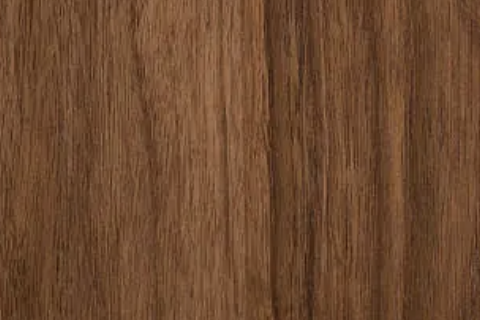
Black Walnut - one of the most beautiful of the dark hardwoods.
A very durable wood.
**Black walnut** is another top-tier pick among the **best woods for furniture making** if you want deep color and a premium feel. It’s strong, reasonably stable, and typically easy to machine. Walnut is generally an indoor choice; its natural durability is better than many domestic woods, but it’s not usually selected for long-term outdoor exposure.
Walnut finishing and aging: walnut can lighten slightly with UV exposure over time, so a finish with UV inhibitors (or just accepting the change) is part of the deal. Clear oil-based finishes bring out depth and chatoyance; waterborne finishes preserve a cooler, more “chocolate” tone. It’s also friendly for carving and shaping, which is a nice bonus for custom furniture details.
Ash
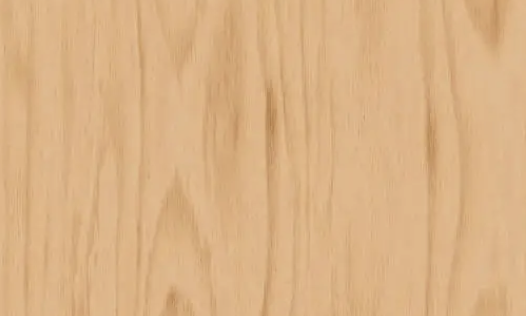
Ash - a fairly strong wood with a nice grain that looks great with a clear finish.
**Ash** (where available) is strong, elastic, and known for a bold grain similar to oak. It’s often moderately priced when supply is good and is excellent for chairs, tool handles, and furniture that needs toughness. Rot resistance is not a highlight, so it’s best indoors or in well-protected applications rather than exposed outdoor use.
Ash workability and finishing: it machines well and takes stain effectively. Like oak, its grain can be open, so a glass-smooth finish may require grain filling. It stays relatively light in color compared to cherry or walnut, and it can look fantastic with clear finishes that emphasize its strong grain lines.
Cedar & Redwood
**Cedar (Western red cedar) and redwood** are commonly used for outdoor projects because they have good natural decay resistance and handle moisture better than many woods. They’re lightweight and easy to work, but they’re relatively soft, so they dent and scratch more easily than hardwoods. For outdoor benches, planters, and patio pieces where weight and rot resistance matter, they can be excellent.
Cedar/redwood weathering and finishing: left unfinished outdoors, they typically weather to a silvery gray. If you want to keep the original color, you’ll need a UV-protective exterior finish and periodic maintenance. Penetrating exterior oils and stains are popular because they’re easier to refresh than thick film finishes that can peel.
Teak & Ipe
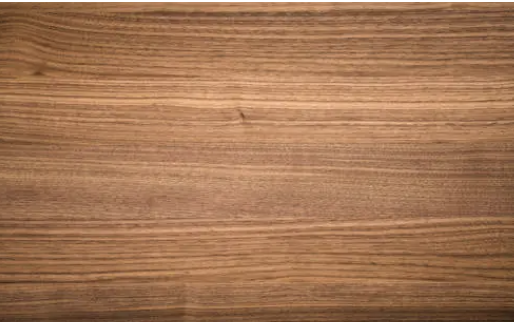
Teak has beautiful grain and is commonly used in boats due to moisture resistance.
**Teak and ipe** are often considered among the **best woods for outdoor furniture** because they’re extremely durable, highly moisture resistant, and naturally rot resistant (thanks to natural oils/extractives). The tradeoffs: they’re expensive, can be heavy (especially ipe), and can be harder on tools. Gluing can require special attention because oily surfaces may need solvent wiping and the right adhesive choice.
Ipe (pronounced ee-pay)
Ipe (pronounced "ee-pay") is an exceptionally dense, durable, and rot-resistant tropical hardwood primarily sourced from South America, often used for premium decking, siding, and outdoor furniture. Known as Brazilian Walnut, it boasts a hardness rating harder than oak, maple, often lasting over 75 years.
Key Characteristics and Benefits of Ipe Wood:
- Extreme Durability: Naturally resistant to decay, rot, insects, mold, and fire (Class A rating, similar to steel) without chemical treatments.
- High Density: So dense that it sinks in water, this wood holds up exceptionally well under heavy, wet, and high-traffic conditions.
- Appearance: Features rich, dark brown to olive-brown colors with a fine to medium texture.
- Maintenance: While extremely durable, it can be oiled annually to maintain its rich color, or left to weather to a silver-grey patina.
- Working Requirements: Its hardness requires pre-drilling for screws and carbide-tipped saw blades, as it can be difficult to work with.
Mahogany
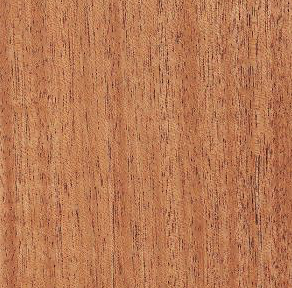
Mahogany - one of the most popular hardwoods.
Good for indoor and outdoor furniture.
Very rot and termite resistant.
Mahogany is a premium, durable tropical hardwood prized for its rich, reddish-brown color, straight grain, and excellent workability, commonly used for high-end furniture, cabinets, and musical instruments. It is naturally resistant to rot and termites, making it stable for both indoor and outdoor applications.
Key Characteristics of Mahogany Wood:
- Color and Appearance: Ranges from pale pinkish-brown to deep, reddish-brown, which darkens with age. It often features a, shiny appearance known as chatoyancy.
- Grain and Texture: Typically features a straight, fine grain, but can sometimes have interlocked, wavy, or irregular patterns.
- Workability: Known for being easy to carve, shape, glue, and finish with both hand and machine tools.
- Durability: Highly stable and resistant to decay, warping, and moisture.
- Hardness: It is a hardwood, with a Janka rating generally between 800 and 1,410 lbf, depending on the species.
Main Types and Sources:
- Genuine Mahogany (Swietenia): Includes Cuban and Honduran mahogany, which are considered the highest quality but are often restricted or protected.
- African Mahogany (Khaya): A popular, more readily available alternative, which is often slightly lighter and softer than genuine mahogany.
- Other Types: Includes Sapele and Philippine mahogany (often Meranti), which are used as substitutes.
Common Uses:
Due to its beauty and durability, it is frequently used for, luxury furniture, boat building, musical instruments (guitars), cabinets, and veneer.
If you want a simple way to choose: for indoor furniture, shortlist woods like cherry, walnut, hard/soft maple, and white oak—these are consistently among the **best woods for furniture making** because they combine strength, stability, and great finishing potential.
For outdoor builds, lean toward teak/ipe (premium longevity) or cedar/redwood (lighter and easier), and use smart designs that shed water. And if you’re following good plans, you’ll notice the best ones specify the joinery, grain orientation, and finishing schedule that make wood projects last for years.
So, hopefully you can now better choose the best woods for furniture making and the best woods for outdoor furniture.
Related Pages